What is Whistleblowing? Understanding the Concept
This guide is for potential whistleblowers and journalists, providing insights into the whistleblowing process and its implications.

A whistleblower is an employee who reports wrongdoing by their employer that violates public law or harms many people. Whistleblowing can take several forms, including:
- Internal reporting to supervisors or HR
- External reporting to regulators
- Communication with the media
The Whistleblower Protection Act safeguards federal employees from retaliation for protected disclosures[1][2].
Definition of Whistleblowing
Whistleblowing involves reporting illegal, unethical, or harmful practices within an organisation. It is primarily characterised by an employee disclosing information that reveals wrongdoing, particularly when such actions violate public law or endanger a substantial number of individuals[1].
Legal definitions vary by jurisdiction, but common elements include the protection of whistleblowers from retaliation, which is crucial for encouraging transparency and accountability. For instance, the Whistleblower Protection Act (WPA) in the United States provides safeguards for federal employees against retaliation for making protected disclosures, such as reporting violations of law or gross mismanagement[2]. Similarly, the Dodd-Frank Act expands these protections, ensuring that whistleblowers are shielded from adverse actions as a result of their disclosures[3].
Misconceptions often arise around the motivations and repercussions of whistleblowing. Many believe that whistleblowers are primarily motivated by personal gain; however, studies indicate that a significant majority—over 83%—report internally to supervisors or compliance departments, suggesting a desire for resolution rather than public exposure[4].
Whistleblowing can occur through various channels, including:
- Internal reporting: Disclosures made within the organisation to a supervisor or HR.
- External reporting: Communicating with regulatory bodies or law enforcement.
- Media engagement: Sharing information with journalists to inform the public.
Each method carries different implications for confidentiality and potential repercussions. For example, while internal reporting may lead to corrective actions, it can also expose the whistleblower to risk of retaliation[5].
Examples of whistleblowing scenarios include reporting fraudulent activities within a financial institution, exposing environmental violations by a manufacturing company, or disclosing unsafe working conditions in a healthcare setting. Each instance underscores the critical role of whistleblowers in promoting ethical standards and protecting public interest.
To navigate the complexities of whistleblowing, individuals should be aware of available reporting mechanisms and the legal protections afforded to them. For detailed guidance on how to report wrongdoing, refer to the step-by-step guide available here.
Types of Whistleblowing
Whistleblowing can be categorised into various forms, primarily distinguished by the context in which the disclosures occur. The two main types are internal versus external whistleblowing, as well as public versus private sector disclosures.
Internal vs. External Whistleblowing
Internal whistleblowing involves reporting wrongdoing within an organisation, typically to a supervisor, human resources, or a compliance officer. Research indicates that over 83% of whistleblowers choose to report internally, reflecting a preference for resolving issues without escalating them publicly[4]. This approach may foster a culture of accountability but can also expose the whistleblower to retaliation from peers or management[5].
External whistleblowing occurs when individuals report misconduct to outside entities, such as regulatory agencies or the media. This type of reporting is often motivated by a lack of trust in internal mechanisms or a belief that the issue is of significant public interest. External disclosures can lead to broader investigations and public awareness but may involve greater risks, including legal repercussions or personal safety concerns.
Public vs. Private Sector Whistleblowing
Whistleblowing can also be differentiated between the public and private sectors. In the public sector, whistleblowers often report issues related to government misconduct, fraud, or corruption, which can be critical for maintaining transparency and accountability in governance. Legal protections, such as those provided by the Whistleblower Protection Act, are designed to safeguard these individuals from retaliation[2].
In contrast, private sector whistleblowers might expose unethical practices within corporations, such as financial fraud or violations of ethical standards. The Dodd-Frank Act offers additional protections specifically for whistleblowers in the financial sector, encouraging the reporting of misconduct that could harm investors or the economy[3].
Understanding these types of whistleblowing is essential for individuals considering reporting wrongdoing. Each form carries unique implications regarding confidentiality, legal protections, and potential consequences. Those contemplating whistleblowing should evaluate their reporting options carefully and consider using secure platforms like SecureDrop or OnionShare for anonymous reporting[6][7].
Legal Protections for Whistleblowers
Legal frameworks are essential for safeguarding whistleblowers from retaliation and fostering an environment that encourages the reporting of wrongdoing. Various jurisdictions have enacted laws and regulations to protect whistleblowers, with notable examples emerging from the United States and the European Union.
In the United States, the Whistleblower Protection Act (WPA) is a cornerstone legislation that protects federal employees who disclose information about violations of law or gross mismanagement. This act prohibits retaliatory actions against whistleblowers, ensuring that they can report misconduct without fear of losing their jobs or facing other forms of punishment[2]. Furthermore, the Dodd-Frank Wall Street Reform and Consumer Protection Act extends these protections to employees in the private sector, specifically in financial industries. It not only protects whistleblowers from retaliation but also offers financial incentives for reporting securities violations[3].
Internationally, the European Union has established the Directive (EU) 2019/1937, which mandates member states to implement effective whistleblowing channels that guarantee the confidentiality of the whistleblower. This directive aims to enhance protection for individuals who report breaches of EU law, thereby promoting accountability and transparency across various sectors[8].
Notable cases illustrate the significance of these legal protections. For instance, in the case of Jeffrey Wigand, a former tobacco executive, his disclosures about the industry's practices led to significant legal and regulatory changes. His actions were supported by legal protections that enabled him to come forward without facing severe repercussions. Similarly, cases within the financial sector have highlighted the role of the Dodd-Frank Act in empowering whistleblowers who expose fraudulent activities, which are critical for maintaining market integrity.
Understanding the legal landscape for whistleblowers is crucial for anyone considering reporting misconduct. Familiarity with these laws and the protections they offer can provide the necessary confidence to act in the public interest while mitigating the risks associated with retaliation. For more information on whistleblower protections, refer to the detailed guide here.
The Role of Technology in Whistleblowing
Technology plays a pivotal role in facilitating anonymous reporting, empowering whistleblowers to disclose wrongdoing securely. Platforms such as SecureDrop, OnionShare, and GlobaLeaks are designed to protect the identity of whistleblowers while enabling communication with journalists and regulatory bodies. These systems utilise end-to-end encryption, ensuring that any information shared remains confidential and secure from potential retaliation[6][7].
SecureDrop, for example, allows whistleblowers to submit documents and messages to news organisations without revealing their identity. This anonymity is crucial, particularly in environments where whistleblowers may face severe repercussions for their disclosures, including job loss or legal action. Similarly, OnionShare enables users to share files anonymously over the Tor network, further enhancing the security of communications[6]. GlobaLeaks offers a flexible and secure whistleblowing framework, allowing organisations to implement tailored reporting channels while maintaining confidentiality[7].
Metadata hygiene is a critical aspect of using these technologies. Whistleblowers must ensure that any files shared do not contain identifying metadata that could inadvertently reveal their identity. This is important because metadata can include information about the device used, location data, or timestamps that may compromise anonymity. Before submitting documents, individuals should verify that all metadata has been stripped, which can be done using various tools designed for this purpose.
To maintain anonymity effectively, individuals should consider the following checklist:
- Use secure platforms like SecureDrop or OnionShare for submissions.
- Strip metadata from documents before sharing.
- Access these platforms via the Tor network to enhance privacy.
- Avoid discussing sensitive information over unsecured channels, such as personal email or social media.
These measures can significantly reduce the risk of exposure and retaliation, allowing whistleblowers to report misconduct confidently. Understanding and utilising technology effectively is essential for those considering whistleblowing, as it can provide a safer avenue for disclosure while promoting accountability and transparency.
Challenges and Risks of Whistleblowing
Whistleblowers face numerous challenges and risks that can deter individuals from reporting wrongdoing. The most significant concerns include retaliation from employers and psychological impacts.
Retaliation is a prevalent issue for whistleblowers, with many experiencing negative consequences after disclosing misconduct. According to various studies, approximately 30% of whistleblowers report facing retaliation, which can manifest in job loss, demotion, harassment, or negative performance evaluations[9]. This risk is particularly pronounced in environments lacking robust whistleblower protection mechanisms. Although laws such as the Whistleblower Protection Act and the Dodd-Frank Act provide some safeguards against retaliation, not all jurisdictions offer equal protections, leaving many whistleblowers vulnerable[2][3].
The psychological impact of whistleblowing can be profound. Whistleblowers often encounter significant stress, anxiety, and social isolation due to backlash from peers and management[9]. The emotional toll of standing up against wrongdoing can lead to long-term mental health issues, making support systems essential for those who choose to blow the whistle.
To mitigate these risks, individuals should consider the following steps before proceeding with a whistleblowing action:
- Research legal protections: Familiarise oneself with the relevant laws in their jurisdiction to understand the protections available.
- Utilise anonymous reporting channels: Consider using secure platforms like SecureDrop or OnionShare to maintain anonymity and reduce the risk of retaliation[6][7].
- Seek support: Engage with support networks or professional organisations that focus on whistleblower advocacy and mental health.
Understanding the challenges and risks associated with whistleblowing is crucial for anyone contemplating this course of action. By preparing adequately and seeking appropriate channels for reporting, individuals can better navigate the complexities of whistleblowing while striving for transparency and accountability.
Whistleblower Support Resources
Whistleblowers often require support to navigate the complexities of reporting wrongdoing. Various organisations and resources are available to assist individuals in these situations, offering legal aid, advocacy, and emotional support.
Legal Aid and Advocacy Groups
National Whistleblower Center (NWC)
- Services: Provides legal representation and advocacy for whistleblowers, specialising in cases involving fraud, corruption, and retaliation.
- Contact: nwc@whistleblowers.org
- Website: www.whistleblowers.org
Government Accountability Project (GAP)
- Services: Offers legal support and protection for whistleblowers, focusing on government and corporate accountability.
- Contact: info@whistleblower.org
- Website: www.whistleblower.org
Whistleblower Aid
- Services: Provides legal counsel and resources for whistleblowers, particularly in cases related to national security and financial misconduct.
- Contact: info@whistlebloweraid.org
- Website: www.whistlebloweraid.org
Psychological Support
Whistleblowing can lead to significant psychological distress. The following resources offer mental health support:
Therapists specializing in whistleblower issues
- Many mental health professionals understand the unique challenges faced by whistleblowers. Seeking a therapist with experience in this area can provide essential emotional support.
Support Groups
- Online forums and local support groups can connect whistleblowers with others who have faced similar challenges, fostering a sense of community and understanding.
Reporting Mechanisms
For those considering whistleblowing, anonymous reporting platforms can provide a secure means of disclosing information:
SecureDrop
- Services: A platform enabling anonymous communication between whistleblowers and journalists. It ensures confidentiality and security.
- Website: securedrop.org
OnionShare
- Services: Allows users to share files anonymously over the Tor network, providing an additional layer of security.
- Website: onionshare.org
GlobaLeaks
- Services: Offers a flexible framework for secure whistleblowing, allowing organisations to create tailored reporting channels.
- Website: globaleaks.org
Before proceeding with whistleblowing, individuals are encouraged to evaluate these resources and consider seeking legal and psychological support to navigate the potential challenges and risks associated with their disclosures.
Whistleblowing in Different Sectors
Whistleblowing manifests differently across various sectors, influenced by specific industry practices, regulatory frameworks, and the potential consequences faced by whistleblowers.
Healthcare Sector
In healthcare, whistleblowers often expose issues related to patient safety, fraud, and ethical violations. A notable example is the case of Dr. Michael Swango, who reported unsafe practices and eventually became a whistleblower himself after facing retaliation. According to a report, 30% of healthcare professionals have witnessed misconduct but only 10% reported it due to fear of retaliation[9]. The Whistleblower Protection Act provides some safeguards for healthcare workers, yet many remain hesitant to speak out.
Financial Sector
The financial sector has seen significant whistleblowing activity, particularly following the 2008 financial crisis. The Dodd-Frank Act incentivises whistleblowers by offering financial rewards for reporting securities violations, with over $1.3 billion awarded to whistleblowers since its enactment[3]. High-profile cases, such as that of Brad Bony, who reported fraudulent activities at a major bank, illustrate the potential for substantial impact. However, retaliation remains a concern, with studies indicating that around 40% of financial sector whistleblowers experience negative consequences[10].
Government Sector
Government whistleblowers often report misconduct related to corruption, mismanagement, or violation of laws. The Whistleblower Protection Act offers legal protections, yet the fear of retaliation can deter individuals from coming forward. A 2020 survey revealed that 60% of federal employees were aware of wrongdoing in their agencies, but only 15% felt confident in reporting it[2]. High-profile cases, such as that of Edward Snowden, highlight both the importance of whistleblowing for accountability and the risks involved.
Conclusion
Understanding the nuances of whistleblowing across sectors is crucial for potential whistleblowers. Each industry presents unique challenges, including varying degrees of legal protection and the prevalence of retaliation. Individuals considering whistleblowing should evaluate the specific dynamics within their sector and seek appropriate reporting mechanisms, such as SecureDrop or GlobaLeaks, to ensure their safety and anonymity.
Cultural Attitudes Towards Whistleblowers
Cultural perceptions of whistleblowers vary significantly across different countries, influencing the willingness of individuals to report wrongdoing. In some cultures, whistleblowers are celebrated as heroes, while in others, they may face severe social and professional repercussions.
In countries like Denmark and Sweden, whistleblowing is generally viewed positively. These nations have established strong legal protections for whistleblowers, encouraging transparency and accountability in both public and private sectors. For instance, the European Union's Directive (EU) 2019/1937 mandates that member states, including Denmark and Sweden, provide effective whistleblowing channels that protect the confidentiality of the whistleblower[8]. This supportive environment fosters a culture where individuals feel empowered to report misconduct without fear of retaliation.
Conversely, in countries such as China and Russia, whistleblowers often encounter punitive responses. Cultural norms in these regions can discourage reporting due to the emphasis on loyalty to the organisation or state. In China, whistleblowers may face social ostracism or legal consequences, as the government often prioritises stability over individual rights. Reports indicate that a significant number of whistleblowers in these environments experience retaliation, leading to job loss or harassment[9].
Additionally, a study revealed that in Japan, the cultural concept of "wa," which values harmony and conformity, can dissuade individuals from exposing wrongdoing. Whistleblowers may be perceived as disruptors, leading to reluctance in reporting misconduct, despite existing legal protections[10].
Understanding these cultural attitudes is crucial for potential whistleblowers, as the environment in which they operate can significantly impact their decision to report misconduct. Those in supportive cultures may find it easier to use anonymous reporting mechanisms, such as SecureDrop or GlobaLeaks, to disclose information safely. In contrast, individuals in punitive cultures should carefully assess the risks and consider seeking legal advice to navigate the complexities of whistleblowing effectively.
Future of Whistleblowing
The future of whistleblowing is likely to be shaped by increasing digitalisation and heightened awareness of corporate ethics. As technology evolves, so do the methods available for anonymous reporting, which may encourage more individuals to come forward with information about wrongdoing.
Digital whistleblowing platforms, such as SecureDrop, OnionShare, and GlobaLeaks, are becoming more prevalent. These systems enable secure, anonymous communication between whistleblowers and journalists, facilitating the reporting of fraud, corruption, and other unethical practices without compromising the whistleblower's identity[6][7]. The rise of these platforms aligns with the growing demand for transparency and accountability in both public and private sectors.
Moreover, legal protections for whistleblowers are expanding. For instance, the European Union's Directive (EU) 2019/1937 requires member states to establish effective whistleblowing channels that protect confidentiality[8]. This legislative support is crucial, as over 83% of whistleblowers report internally to supervisors or compliance departments, often facing retaliation when their disclosures are not handled appropriately[4]. Enhanced legal frameworks may lead to a more supportive environment for whistleblowers, encouraging them to disclose information that serves the public interest.
However, challenges remain. The psychological effects of whistleblowing, including stress and anxiety, can deter individuals from reporting misconduct[9]. As awareness of these issues grows, organisations may need to invest in support systems that address the mental health needs of whistleblowers, ensuring they feel safe and supported throughout the process.
In summary, the landscape of whistleblowing is evolving, influenced by advancements in technology, legal protections, and the need for ethical corporate practices. Individuals considering whistleblowing should remain informed about available reporting mechanisms and protections to navigate this complex environment effectively.
Whistleblowing Overview and Checklist
| Aspect | Details | Legal Protections | Reporting Methods | Psychological Effects |
|---|---|---|---|---|
| Definition | Employee alleging wrongdoing by employer | Whistleblower Protection Act, Dodd-Frank Act | Internal, external, media | Stress, anxiety, social isolation |
| Reporting Statistics | 83% report internally | Protected under WPA | SecureDrop, OnionShare, GlobaLeaks | Varies by individual experience |
| Types of Whistleblowing | Formal, informal, anonymous | EU Directive 2019/1937 | Digital platforms for anonymity | Depends on cultural context |
| Sector-Specific Issues | Healthcare, finance, government | Varies by sector | Internal compliance, regulators | Fear of retaliation influences decisions |
| Checklist for Whistleblowers | Evaluate situation and rights | Seek legal counsel | Use secure reporting channels | Consider psychological support |
Common Mistakes and Misconceptions
Believing Internal Reporting is Always Safe
Many individuals assume that reporting wrongdoing internally is the safest option. However, over 83% of whistleblowers choose to report to internal supervisors or compliance departments, often facing retaliation when their concerns are not adequately addressed[4]. This approach may be appropriate in some cases, but it is crucial to evaluate the organisational culture and existing protections before proceeding.
Underestimating Psychological Impacts
The psychological effects of whistleblowing, such as stress, anxiety, and social isolation, are frequently downplayed. Research indicates that whistleblowers often face backlash from colleagues and employers, which can exacerbate mental health issues[9]. Recognising these potential impacts is essential; individuals should seek support systems to navigate the emotional challenges that arise from their disclosures.
Assuming Legal Protections are Universally Strong
There is a common misconception that legal protections for whistleblowers are robust and universally applicable. While laws like the Whistleblower Protection Act and the Dodd-Frank Act provide some safeguards, they vary significantly by jurisdiction and sector[2][3]. Individuals should thoroughly research the specific protections available in their context to understand their rights and potential risks.
Overlooking the Role of Technology in Anonymity
Many potential whistleblowers may not consider the technological tools available for maintaining anonymity. Platforms like SecureDrop and OnionShare offer secure methods for whistleblowing, enabling anonymous communication with journalists[6][7]. Familiarity with these technologies can empower whistleblowers to report misconduct without compromising their identities.
Ignoring the Importance of Comprehensive Resources
A lack of comprehensive resources on international whistleblower protections can lead to confusion and misinformation. Individuals may not be aware of the varying protections and reporting channels available in different countries[1]. Education on these resources is vital for potential whistleblowers to make informed decisions about their disclosures.
Conclusions
Key takeaways regarding whistleblowing include:
- Whistleblowing can lead to significant organisational change, as evidenced by high-profile cases.
- Legal protections vary by jurisdiction and sector; understanding these is essential for potential whistleblowers.
- The psychological impact of whistleblowing is substantial; support systems should be considered.
- Anonymous reporting platforms, such as SecureDrop and GlobaLeaks, provide essential tools for safeguarding identity.
- Cultural attitudes significantly influence the willingness to report wrongdoing; awareness of local norms is crucial.
Individuals interested in whistleblowing should explore legal protections and reporting methods available in their context, starting with Whistleblowing Protection Laws: What You Need to Know.
Frequently asked questions
- What is the meaning of whistleblowing?
Whistleblowing refers to the act of an employee alleging wrongdoing by their employer that violates public law or harms a significant number of people. This can include reporting illegal activities, gross mismanagement, or unethical practices within an organisation[1].
- Is whistleblowing illegal in the US?
Whistleblowing itself is not illegal in the US; in fact, various laws protect whistleblowers from retaliation. The Whistleblower Protection Act (WPA) safeguards federal employees who make protected disclosures regarding violations of law or gross mismanagement[2].
- What qualifies as a whistleblower complaint?
A whistleblower complaint typically qualifies when an employee reports misconduct that violates laws or regulations, or poses a risk to public safety or welfare. This includes formal complaints to regulatory bodies or informal disclosures to supervisors[5].
- What is an example of whistleblowing?
An example of whistleblowing is a healthcare worker reporting unsafe patient care practices within a hospital. This could involve disclosing inadequate staffing levels or failure to follow health regulations, which could endanger patients[1].
- How can I report wrongdoing anonymously?
Reporting wrongdoing anonymously can be achieved through various digital platforms designed for secure communication, such as SecureDrop and GlobaLeaks. These systems allow whistleblowers to share information with journalists without revealing their identities[6][7].
- What protections do whistleblowers have?
Whistleblowers are protected under several laws, including the Whistleblower Protection Act and the Dodd-Frank Wall Street Reform and Consumer Protection Act, which prohibit retaliation against individuals who report misconduct. These protections vary by sector and jurisdiction[2][3].
- What are the psychological effects of whistleblowing?
The psychological effects of whistleblowing can include significant stress, anxiety, and social isolation, as whistleblowers often face backlash from colleagues and employers. These emotional challenges can impact their mental health and overall well-being[9].
Explore More on Whistleblowing
Discover additional resources and insights on this vital topic.
View More ResourcesReferences
- whistleblower | Wex | US Law | LII / Legal Information Institute
- Whistleblower Protection - Federal Trade Commission OIG
- Whistleblower Protections - SEC.gov
- Whistleblowing - Wikipedia
- Anti-Corruption Module 6 Key Issues: Whistle-blowing Systems and Protections
- The SecureDrop Protocol: End-to-End Encrypted Whistleblowing for All
- The Rise of Digital Whistleblowing Platforms — and How They Work
- Beyond the Anonymous Inbox: Secure Whistleblowing for All
- Chapter 2 The conceptual underpinnings of whistleblowing
- Guide to Protecting Whistleblowers - Security.org

Comparing Anonymous Publishing Platforms: SecureDrop vs OnionShare
Explore SecureDrop and OnionShare to understand their features, benefits, and suitability for secure anonymous publishing.

Whistleblowing Protection Laws: What You Need to Know
Understand whistleblowing protection laws, their importance, and how they safeguard individuals reporting wrongdoing in various sectors.
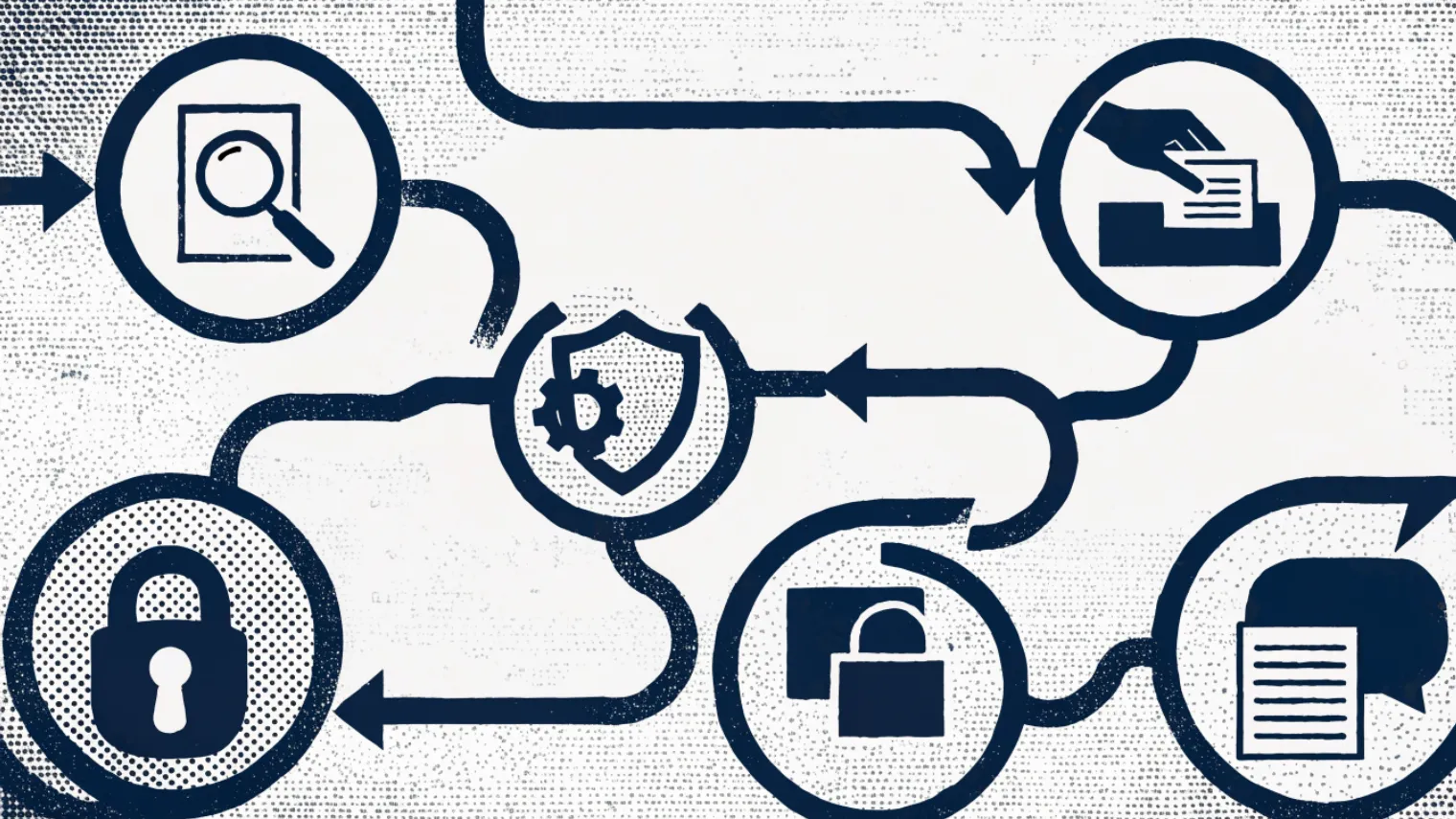
How to Report Whistleblowing: A Step-by-Step Guide
Learn how to report whistleblowing incidents safely and effectively with this step-by-step guide for individuals seeking to protect their i…