How to Report Whistleblowing: A Step-by-Step Guide
This guide is for individuals looking to report whistleblowing incidents, providing clear steps and essential resources for safe reporting.
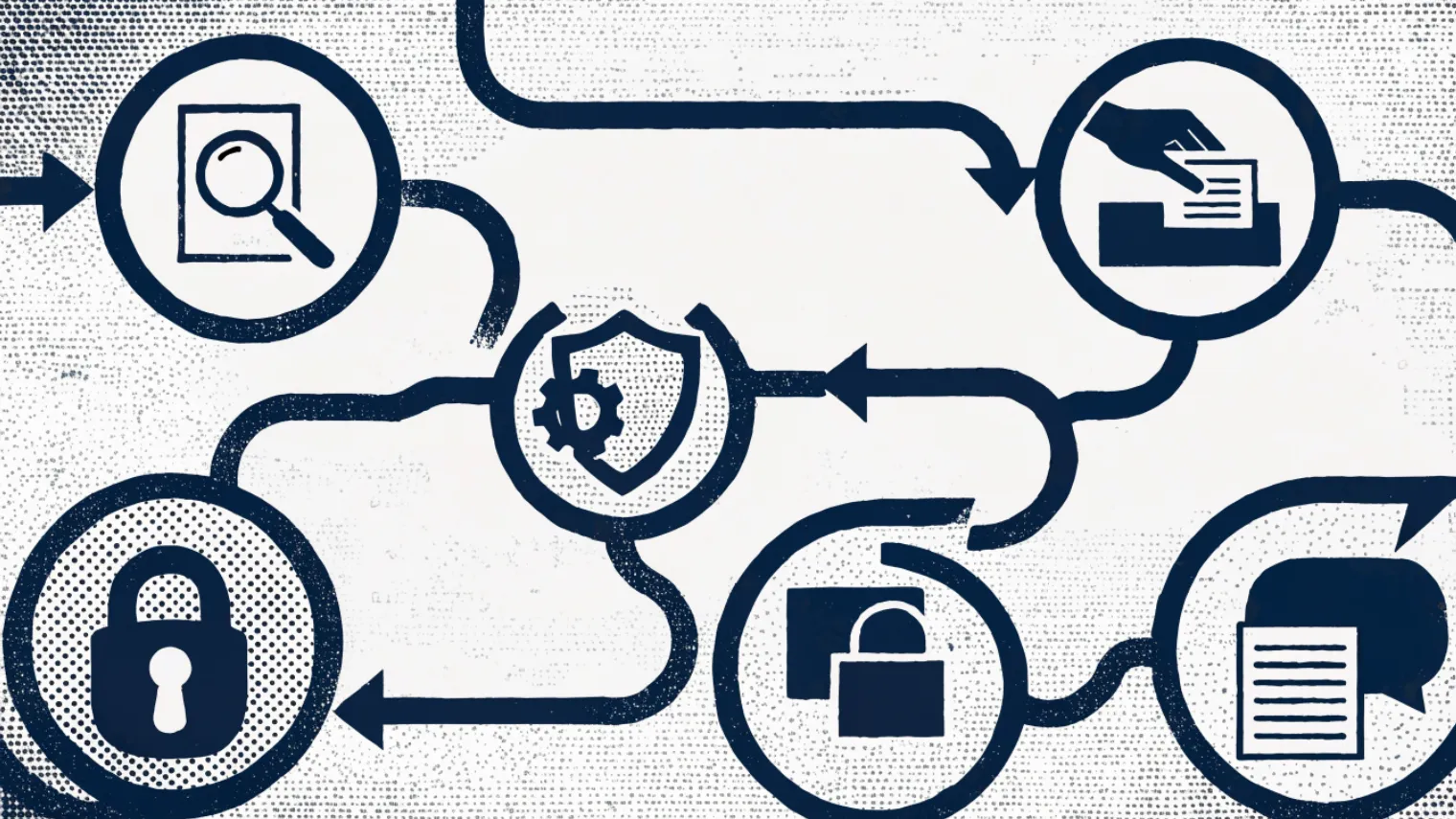
Reporting whistleblowing involves submitting a complaint to the appropriate agency, such as the SEC or OSHA, detailing the alleged misconduct. This process typically takes a few hours to gather evidence and complete the submission. Success depends on providing clear, documented evidence of protected activity and adverse employer actions[1][2].
What You Will Need
Secure Device
A secure and trusted device is essential to prevent unauthorized access to your information.
Internet Access
Reliable internet access is necessary to connect to secure whistleblowing platforms.
Anonymity Tools
Tools like Tor or VPN services help to maintain your anonymity while reporting.
Documentation of Incident
Detailed documentation of the incident is crucial for providing clear evidence and context.
Understanding of Reporting Channels
Familiarity with available reporting channels ensures that the information reaches the right authorities.
Time for Preparation
Setting aside sufficient time is important to gather information and complete the reporting process carefully.
How to Report Whistleblowing: A Step-by-Step Guide
- Step 1: Understand Whistleblowing
Recognise that whistleblowing involves reporting misconduct such as fraud, safety violations, or environmental issues. Familiarise yourself with the relevant laws that protect whistleblowers, as these can vary by jurisdiction and situation.
- Step 2: Identify Your Reporting Options
Determine the appropriate authority or organisation to report your concerns. This could be internal channels within your organisation or external bodies such as the SEC or OSHA, depending on the nature of the misconduct.
- Step 3: Prepare Your Whistleblowing Report
Gather all relevant evidence and documentation supporting your claims. Ensure that your report clearly outlines the misconduct and any potential violations of law, as this will strengthen your case.
- Step 4: Choose Your Reporting Method
Decide whether to report anonymously or disclose your identity. If choosing anonymity, consider using secure tools like SecureDrop or OnionShare to protect your identity while submitting your report.
- Step 5: Submit Your Report
File your whistleblower complaint through the identified channel. Complaints can often be submitted online, by mail, or in person, and do not require a specific format[3]. Ensure you keep a copy of your submission for your records.
- Step 6: Understand the Follow-Up Process
Be aware of how the reporting authority handles complaints and what follow-up actions may occur. This could include investigations or requests for additional information. Keep track of any communications you receive.
- Step 7: Know Your Rights and Protections
Familiarise yourself with the legal protections available to you as a whistleblower. These include safeguards against retaliation for reporting misconduct[1]. Understand the legal remedies if you face retaliation.
- Step 8: Avoid Common Mistakes
Ensure that your report is factual and not based on assumptions, as providing false information can lead to severe consequences[4]. Avoid delays in reporting, as timely disclosures are often more effective.
- Step 9: Utilise Available Resources
Explore resources and support networks for whistleblowers. This includes legal advice, advocacy groups, and online forums that can provide guidance and assistance throughout the reporting process.
Understanding Whistleblowing
Whistleblowing refers to the act of reporting misconduct within an organisation, often related to fraud, safety violations, or environmental issues. This process is crucial for maintaining accountability and transparency in various sectors, as it helps to address wrongdoing and protect public interests. In FY 2023, the Securities and Exchange Commission (SEC) received a record 18,354 whistleblower tips, a 49% increase from the previous year, highlighting the growing recognition of the importance of whistleblowing[5].
Legal protections for whistleblowers are extensive in the U.S., safeguarding individuals from retaliation when reporting issues related to employee safety, fraud, and environmental protection. Various federal laws offer these protections, including the ability to file complaints without fear of adverse actions from employers[1]. For instance, in FY 2023, the Occupational Safety and Health Administration (OSHA) received 3,243 whistleblower retaliation complaints, indicating a nearly 15% increase from the prior year[6]. Employees are entitled to engage in protected activities, including reporting conduct they reasonably believe violates federal law[7].
Whistleblowers can report a wide range of misconduct, including, but not limited to, financial fraud, health and safety violations, and environmental harm. However, it is essential to ensure that the complaint is based on factual information, as knowingly providing false information can lead to severe repercussions, including termination and civil lawsuits[4]. In practice, many whistleblower complaints go unaddressed; studies show that in nearly two-thirds of cases, companies ignored these complaints, leading to further escalation of issues[8].
Before proceeding with a whistleblower report, individuals should understand their rights and the legal frameworks that protect them. Familiarity with the relevant laws and protections can greatly enhance the effectiveness of the reporting process and ensure that the whistleblower is adequately safeguarded against potential retaliation[9].
Identifying Your Reporting Options
Various channels exist for reporting whistleblowing incidents, each with distinct advantages and disadvantages. Understanding these options can guide individuals toward the most effective reporting method.
Internal reporting is often the first step. This involves notifying a supervisor, human resources, or a designated ethics officer within the organisation. The advantage is that it may lead to swift internal resolutions and demonstrates a willingness to address issues within the company. However, this option can pose risks if the organisation has a culture that discourages whistleblowing. Reports may be ignored or lead to retaliation, as evidenced by studies showing that nearly two-thirds of complaints are overlooked[8].
External reporting to government agencies, such as the SEC or OSHA, is another common channel. The SEC, for example, received a record 18,354 whistleblower tips in FY 2023, indicating a robust framework for reporting financial misconduct[5]. OSHA, which handles safety violations, also provides protections against retaliation, receiving 3,243 complaints in FY 2023[6]. The benefit of external reporting includes legal protections and potential financial awards for whistleblowers, as seen with the IRS awarding 121 whistleblowers a total of $88.8 million in FY 2023[10]. However, these processes can be lengthy and may involve bureaucratic hurdles.
Third-party organisations, such as advocacy groups or legal assistance organisations, offer additional support and anonymity. They can help individuals navigate the reporting process and provide resources for protection against retaliation. However, these channels may not have the same authority as government agencies and may not guarantee a resolution.
Before deciding on a reporting channel, individuals should consider the nature of the misconduct, the potential for retaliation, and the specific protections available under federal laws[1][9]. Each option has its merits and limitations, making it crucial to assess the situation carefully to choose the most appropriate course of action.
Preparing Your Whistleblowing Report
Gathering comprehensive information is crucial when preparing a whistleblowing report. This includes collecting evidence, documentation, and any relevant details that substantiate the claims being made. Clarity and detail are vital; a well-structured report that clearly outlines the misconduct can significantly strengthen the case.
Key elements to include are specific instances of the alleged wrongdoing, dates, and the identities of individuals involved. Documentation may consist of emails, photographs, or witness statements that support the claims. Such evidence is essential, as whistleblower complaints must demonstrate that the employee engaged in protected activity, the employer was aware of this, and that adverse action was taken against the employee[2].
Anonymity is an important consideration if desired. Whistleblowers may choose to report anonymously to protect their identity from potential retaliation. Tools such as SecureDrop and OnionShare can facilitate secure and anonymous submissions, ensuring that personal information is not disclosed during the reporting process. This approach is particularly relevant as whistleblowers are protected under various federal laws from retaliation when reporting misconduct related to employee safety, fraud, and environmental issues[1].
It is also essential to be aware of the risks associated with providing false information, as this can lead to severe repercussions, including termination or civil lawsuits[4]. Therefore, ensuring that all allegations are based on factual and verifiable information is critical.
Before finalising a report, individuals should verify that they have gathered all necessary documentation and evidence. This preparation phase can be time-consuming, but it is vital to ensure a robust submission that maximises the chances of a successful outcome.
Step-by-Step Reporting Procedures
Reporting whistleblowing incidents can be accomplished through various methods, each with its own context and considerations. Understanding these options is essential for effective communication with the relevant authorities.
Whistleblower complaints can be submitted online, by mail, fax, or in person at local offices such as those of OSHA[3]. Each method has its advantages; for instance, online submissions often provide immediate confirmation of receipt, while mail may take longer but can include detailed documentation. When using online forms, ensure that all required fields are completed accurately to avoid processing delays.
For individuals who prefer anonymity, secure platforms like SecureDrop or OnionShare can be utilised. These tools help maintain confidentiality while submitting reports, which is particularly important given the legal protections against retaliation for whistleblowers reporting misconduct related to safety, fraud, or environmental concerns[1]. However, anonymity might limit the ability of the reporting agency to follow up for further information, necessitating a careful balance between anonymity and the need for clarity.
In cases where issues arise during the reporting process, such as technical difficulties with online forms or concerns about retaliation, it is advisable to seek assistance from advocacy groups or legal counsel. These organisations can provide guidance on navigating the complexities of whistleblowing and ensure that rights are upheld[9].
It is crucial to remember that whistleblower protections apply only when the report is based on factual information. Knowingly providing false information can lead to severe consequences, including civil lawsuits and termination[4]. Therefore, ensuring the accuracy and truthfulness of the report is paramount.
Before proceeding, individuals should thoroughly consider their reporting options, the method chosen, and the potential implications of their disclosures. This preparation can significantly influence the outcome of the reporting process.
Anonymous Reporting Tools
Utilising anonymous reporting tools can enhance the safety and confidentiality of whistleblowers. SecureDrop, OnionShare, and GlobaLeaks are prominent platforms designed to facilitate secure and anonymous submissions. These tools are particularly beneficial for individuals concerned about potential retaliation, as they provide a layer of protection while reporting misconduct.
SecureDrop operates as an open-source whistleblower submission system that allows journalists and activists to securely receive documents from anonymous sources. It employs strong encryption to protect the identity of both the whistleblower and the recipient. Users can access SecureDrop via the Tor network, which adds an additional layer of anonymity by obscuring the user’s IP address.
OnionShare is another tool that enables users to share files securely and anonymously over the Tor network. It allows whistleblowers to send documents directly to recipients without the need for intermediary servers, reducing the risk of interception. This direct sharing method can be particularly useful when dealing with sensitive information.
GlobaLeaks is designed for organisations and institutions to receive anonymous tips securely. It offers customisable features that allow entities to tailor the reporting process to their specific needs while ensuring confidentiality. GlobaLeaks also supports multiple languages, making it accessible to a broader audience.
While these tools enhance anonymity, challenges may arise. Technical difficulties, such as connectivity issues with the Tor network, can hinder the reporting process. Additionally, anonymity may limit the ability of authorities to follow up for further information, which can be a drawback if detailed clarification is needed.
Before using any of these platforms, individuals should ensure they are familiar with the specific functionalities and limitations of each tool. Understanding how these platforms operate can significantly impact the effectiveness of the reporting process.
Understanding the Follow-Up Process
After filing a whistleblower report, several processes unfold, which can vary significantly based on the reporting channel used and the nature of the complaint. Generally, a confirmation of receipt is provided by the agency, but the timeline for further action can differ. For example, while the SEC received 18,354 tips in FY 2023, the investigation and resolution may take months or even years, depending on the complexity of the issues raised[5].
Potential outcomes of a whistleblower report can include investigations, legal actions, or, in some cases, no action if the complaint lacks sufficient evidence or falls outside the agency’s jurisdiction. For instance, OSHA noted an increase in retaliation complaints, indicating that there may be unresolved issues within organisations that could be addressed through whistleblower reports[6].
Staying informed about the status of the report is crucial. Whistleblowers can often contact the agency where the report was filed for updates. However, agencies may have restrictions on the information they can disclose due to confidentiality laws. This is particularly true when the investigation involves sensitive information or if anonymity was requested during the reporting process.
In cases where a whistleblower feels that their report has been ignored or mishandled, it may be beneficial to consult legal counsel or advocacy groups. These organisations can provide support and advice on how to escalate the matter or address potential retaliation, which is protected under various federal laws[1][7].
Before filing a report, individuals should understand that while protections exist, the effectiveness of these measures can vary based on the agency and the specific circumstances of the case.
Common Mistakes to Avoid
Several common pitfalls can hinder the whistleblowing process, impacting both the effectiveness of the report and the safety of the whistleblower. Awareness of these mistakes can lead to more successful reporting outcomes.
One frequent error is failing to gather sufficient evidence before reporting. A whistleblower complaint must establish that the employee engaged in protected activity, the employer was aware of it, and adverse action was taken against the employee[2]. Without concrete documentation, such as emails, witness statements, or specific instances of wrongdoing, the complaint may be dismissed or ignored. In fact, research indicates that nearly two-thirds of cases see companies ignoring whistleblower complaints, leading to further escalation of issues[8].
Another mistake is underestimating the potential for retaliation. While federal laws protect whistleblowers from retaliation related to safety, fraud, and environmental issues[1], the reality is that retaliation does occur. In FY 2023, OSHA received 3,243 complaints of retaliation, a 15% increase from the previous year[6]. Whistleblowers should consider proactive measures, such as using anonymous reporting tools like SecureDrop or OnionShare, to mitigate the risk of retaliation.
Providing false information is a critical error that can have severe repercussions, including termination or civil lawsuits[4]. It is essential that all claims are based on factual, verifiable information. Before submitting a report, double-check all details and ensure they are accurate.
Lastly, neglecting to follow up on the report can lead to a lack of resolution. Whistleblowers should remain engaged with the reporting agency and seek updates on the status of their complaint. Legal counsel or advocacy groups can provide guidance on navigating any challenges that arise during the process[9].
By avoiding these common mistakes and preparing thoroughly, individuals can enhance their chances of making a meaningful impact while protecting their rights and safety.
Resources for Whistleblowers
Access to appropriate resources can significantly enhance the whistleblowing experience, providing necessary support and guidance. Various organisations and hotlines exist to assist whistleblowers, each catering to different needs.
The Securities and Exchange Commission (SEC) offers a whistleblower program that received a record 18,354 tips in FY 2023, highlighting its active role in handling reports of misconduct[5]. Whistleblowers can submit tips online through the SEC’s portal, ensuring confidentiality and protection under federal laws.
The Occupational Safety and Health Administration (OSHA) also plays a crucial role, reporting 3,243 whistleblower retaliation complaints in FY 2023[6]. They provide resources for individuals facing retaliation and offer an online whistleblower complaint form, which can be completed without a specific format[3].
The Internal Revenue Service (IRS) rewards whistleblowers for reporting tax fraud, having paid out 121 awards totalling $88.8 million in FY 2023[10]. Those wishing to report tax-related misconduct can contact the IRS Whistleblower Office directly for guidance.
Legal resources are essential for understanding the rights and protections available to whistleblowers. The National Whistleblower Center outlines numerous whistleblower laws that provide legal remedies against retaliation[9]. Consulting with legal counsel can help navigate the complexities of whistleblowing, particularly in cases of perceived retaliation or mishandling of reports.
For anonymous reporting, tools such as SecureDrop and OnionShare offer secure platforms for submitting sensitive information. These tools can help maintain anonymity, which is critical for those concerned about potential repercussions.
In situations where challenges arise during the reporting process, reaching out to advocacy groups can provide additional support and resources. These organisations often have experience in dealing with whistleblowing cases and can offer practical advice on how to proceed.
Before engaging with any resources, individuals should ensure they are familiar with the specific protections and processes relevant to their circumstances, as this knowledge can significantly impact the effectiveness of their reporting efforts.
Legal Protections and Rights of Whistleblowers
Whistleblowers are afforded legal protections under various federal laws designed to safeguard them from retaliation when reporting misconduct related to employee safety, fraud, or environmental violations. These protections are crucial, as they encourage individuals to come forward without fear of adverse consequences[1].
In the event of retaliation, it is essential to know that a whistleblower complaint must demonstrate that the employee engaged in protected activity, the employer was aware of this activity, and the employer took adverse action against the employee[2]. If retaliation occurs, individuals should document all incidents and consider filing a complaint with relevant agencies, such as the Occupational Safety and Health Administration (OSHA), which received 3,243 retaliation complaints in FY 2023, indicating a growing concern[6].
Legal remedies are available for employees facing retaliation, including reinstatement, back pay, and compensation for damages[11]. Consulting with legal counsel or advocacy groups can provide guidance on navigating the complexities of retaliation cases. These organisations can assist in understanding rights, filing complaints, and ensuring protections are upheld[9].
It is also important to recognise that whistleblower protections apply only when the report is based on factual information. Knowingly providing false information can lead to severe repercussions, including termination and civil lawsuits[4]. Therefore, maintaining accuracy and truthfulness in disclosures is paramount.
For further assistance, resources such as the National Whistleblower Center provide information on rights and protections available to whistleblowers[9]. Understanding these legal frameworks and knowing how to act in cases of retaliation can significantly influence the outcome of whistleblowing efforts.
What to Do If Things Don't Go as Planned
Several challenges may arise during the whistleblowing process, leading to potential setbacks. Recognising these issues and knowing how to address them can enhance the chances of a successful reporting experience.
Insufficient Evidence Collected
A common mistake is submitting a report without adequate evidence. Without concrete documentation, such as emails or witness statements, the report may lack the necessary weight to prompt action. To rectify this, ensure all relevant information is gathered before submitting the report, including specific instances of wrongdoing and corroborative details.
Technical Issues with Reporting Tools
Technical difficulties, particularly with anonymity tools like SecureDrop or OnionShare, can impede the reporting process. Connectivity issues with the Tor network may prevent successful submissions. To mitigate this, test the reporting tool in advance to confirm functionality and consider alternative means of reporting if problems persist.
Inadequate Follow-Up
Failing to follow up on a submitted report can lead to an unresolved situation. Agencies may not provide updates automatically, leaving whistleblowers in the dark. To address this, establish a timeline for follow-up communications and engage with the agency periodically to inquire about the status of the report.
Misunderstanding Anonymity Limitations
Many individuals assume that using anonymous reporting tools guarantees complete protection. However, there may still be risks of identification through metadata or other means. To improve anonymity, ensure that all digital communications are secure and clean of identifying information, and review the specific privacy features of the chosen reporting tool.
Lack of Legal Support
Navigating the whistleblowing landscape can be complex, and many individuals may not seek legal counsel when needed. This can lead to misunderstandings about rights and protections. To overcome this, identify legal resources or advocacy groups early in the process that can provide guidance and support, especially if retaliation occurs.
Ignoring Retaliation Risks
Underestimating the potential for retaliation is a critical error that can have severe consequences. Awareness of these risks is essential for effective reporting. To address this, consider using anonymous reporting channels and proactively plan for potential backlash by documenting incidents and seeking legal advice if necessary.
Conclusions
- Understand the importance of gathering sufficient evidence before filing a report to strengthen the case.
- Recognise the potential for retaliation and take proactive steps, such as using anonymous reporting tools like SecureDrop or OnionShare.
- Ensure all information provided is accurate and verifiable to avoid severe repercussions.
- Follow up on the report to maintain engagement with the reporting agency and seek updates on the status.
- Familiarise oneself with legal protections and available resources to navigate the whistleblowing process effectively.
To learn more about the legal protections available, refer to Whistleblowing Protection Laws: What You Need to Know.
Frequently asked questions
- What qualifies you as a whistleblower?
A whistleblower is typically defined as an individual who reports misconduct or illegal activities within an organisation, particularly when the information pertains to violations of laws or regulations. To qualify, the whistleblower must have a reasonable belief that the information they disclose is true and relates to protected activities, such as safety violations, fraud, or environmental concerns[7].
- What complaints qualify as whistleblowing?
Complaints that qualify as whistleblowing generally involve allegations of illegal activities, violations of regulations, or threats to public safety. Common examples include reporting workplace safety hazards, financial fraud, or environmental violations. It is essential that the complaint is based on factual evidence and relates to protected activities under relevant whistleblower laws[1].
- Can you make a whistleblowing report anonymously?
Yes, it is possible to make a whistleblowing report anonymously. Various platforms, such as SecureDrop and OnionShare, provide secure methods for submitting reports without revealing the identity of the whistleblower. However, it is crucial to ensure that all communications are free from identifying information to maintain anonymity[9].
- Can whistleblowers get in trouble?
Whistleblowers can face repercussions, particularly if they provide false information or if their disclosures are not protected under relevant laws. Knowingly submitting false claims can lead to severe consequences, including termination from employment and civil lawsuits[4]. However, whistleblower protections exist to shield individuals from retaliation for reporting legitimate concerns[1].
- How to file a federal whistleblower complaint?
To file a federal whistleblower complaint, individuals can submit their report to the relevant agency, such as the Securities and Exchange Commission (SEC) or the Occupational Safety and Health Administration (OSHA). Complaints can typically be filed online, by mail, or in person, and do not require a specific format[3]. It is advisable to include detailed evidence to support the claims.
- What happens when you file a whistleblower complaint?
When a whistleblower complaint is filed, the relevant agency will review the submission and may conduct an investigation. The outcome can vary; some reports may lead to corrective actions, while others may not result in any action taken. It is important for whistleblowers to follow up on their complaints to stay informed about the status of the investigation[8].
- How to file a whistleblower complaint with OSHA?
To file a whistleblower complaint with OSHA, individuals can complete the online whistleblower complaint form or submit a written complaint by mail or fax. Complaints can be filed without a specific format, but it is crucial to provide detailed information regarding the alleged retaliation or misconduct[3]. Timeliness is also important, as complaints must typically be filed within a certain period following the alleged violation.
Explore More Whistleblowing Resources
Discover additional guides and tools to assist your reporting.
Access ResourcesReferences
- Whistleblower Protections - U.S. Department of Labor
- OSHA Online Whistleblower Complaint Form
- How to File a Whistleblower Complaint
- What Happens If a Whistleblower Is Wrong? - LegalClarity
- Securities and Exchange Commission Office of the Whistleblower Annual Report to Congress for Fiscal Year 2023
- Whistleblower Activity Under Federal Laws Increased in FY 2023
- Frequently Asked Questions (FAQs) | Whistleblower Protection Program
- Truth Be Told: Unpacking the Risks of Whistleblowing - Baker Library
- Know Your Rights - National Whistleblower Center
- Publication 5241 (Rev. 6-2024)
- Whistleblower Rights & Protections - OPM-OIG

Whistleblowing Protection Laws: What You Need to Know
Understand whistleblowing protection laws, their importance, and how they safeguard individuals reporting wrongdoing in various sectors.

What is Whistleblowing? Understanding the Concept
Explore whistleblowing: its definition, significance, and the protections available for those who speak out against wrongdoing.

Comparing Anonymous Publishing Platforms: SecureDrop vs OnionShare
Explore SecureDrop and OnionShare to understand their features, benefits, and suitability for secure anonymous publishing.